
The Healing Journey:
How Travel Can Be a Powerful Ally for Your Mental Health
David@planpackgo.blog
10/10/20258 min read
Today - Friday 10th October - is an important day: World Mental Health Day.
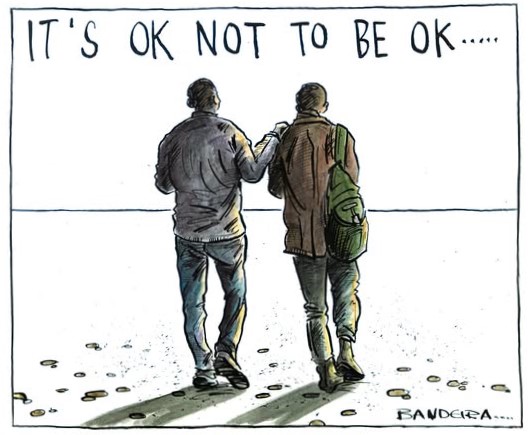
For me, it's important for many reasons. Thankfully, I don't suffer with mental health issues, but for years I have tried to highlight the importance of positive mental health. Seeing close friends suffer from anxiety, depression and crippling low self-esteem is heartbreaking, and it's important that we raise awareness and learn how we can all help.
For centuries, the human spirit has been drawn to the horizon, to the allure of the unknown, and to the promise of new beginnings that travel represents. We travel for adventure, for education, and for connection. But what if travel could be more than just a vacation? What if it could be a vital part of a journey toward mental well-being and healing?
In a world where the conversation around mental health is finally emerging from the shadows, we are beginning to understand the profound connections between our minds, our bodies, and our environments. For too long, mental health has been a subject whispered in hushed tones, a “dark” and often unacknowledged struggle that has left millions to suffer in silence. The consequences of this silence have been devastating, with countless individuals and families impacted by the unaddressed pain of conditions like anxiety, depression, and post-traumatic stress disorder (PTSD).
Today, as we witness a rapid rise in mental health challenges globally—with the World Health Organization reporting that over a billion people are living with mental health disorders [1]—it is more critical than ever to explore every possible avenue for healing and recovery. This is where the transformative power of travel comes in. While not a substitute for professional therapy, the right kind of travel, approached with intention and care, can be a powerful and positive ally in the process of relaxation, recovery, and rediscovering a sense of self.
A Journey Through the History of Mental Health
To truly appreciate the importance of open conversations about mental health, it is essential to understand the long and often dark history of how society has viewed and treated mental illness. For millennia, individuals with mental health conditions have been subjected to stigmatization, social exclusion, and prejudice. In ancient Greece, the word “stigma” itself referred to a brand used to mark slaves or criminals, a chilling testament to the long-standing association of mental illness with deviance and shame [2].
Throughout the Middle Ages, mental illness was often seen as a punishment from God or a sign of demonic possession. Those who suffered were not treated with compassion but were often imprisoned, tortured, or even executed. It wasn’t until the Enlightenment that the mentally ill were finally freed from their chains and institutions were established with the aim of providing help. However, even then, the stigma remained, reaching a horrifying peak during the Nazi era with the systematic murder and sterilization of hundreds of thousands of mentally ill individuals [2].
While we have made significant progress since those dark times, the echoes of this history still resonate today. Structural discrimination and social prejudice persist, and many people with mental illness continue to face challenges in their personal and professional lives. The fear and misunderstanding surrounding mental health are still prevalent, which is why it is so important to foster a culture of empathy, understanding, and support.
The Modern Mental Health Landscape
The 21st century has seen a significant shift in our understanding and awareness of mental health. The 1990s were declared the “Decade of the Brain” by the U.S. Congress, marking a period of national recognition of the importance of mental health research [3]. Today, there is a growing acknowledgment of mental health as an integral part of overall health, with 1 in 5 adults in the United States experiencing mental illness in any given year [4].
This increased awareness is a double-edged sword. While it has led to more people seeking help and a greater understanding of mental health conditions, it has also highlighted the sheer scale of the challenge we face. In 2024, it was reported that over 60 million adults in the U.S. experienced a mental illness in the past year [5]. These are not just numbers; they represent our friends, our family members, our colleagues, and ourselves.
It is within this context that we must explore all available tools and strategies to support mental well-being. And one of the most accessible and potentially transformative tools we have is travel.
The Science of How Travel Heals
The idea that travel is good for the soul is not just a romantic notion; it is increasingly being backed by scientific research. Studies have shown that travel can have a tangible and positive impact on our mental health, helping to reduce stress, improve mood, and increase feelings of well-being.
A study from the University of East Anglia in the UK found that taking a vacation can reduce the risk of depression by up to 30% [6]. Another study published in the journal Personality and Individual Differences revealed that people who travel regularly report higher levels of self-esteem and life satisfaction [7]. The World Health Organization itself has acknowledged that “Travel contributes to a person’s physical and mental health by providing opportunities for pleasure, relaxation and interest” [1].
So, how exactly does travel work its magic on our minds? Here are some of the key ways in which a change of scenery can support our mental health:
A Break from the Everyday
One of the most immediate benefits of travel is the physical and mental break it provides from the routines and environments that can contribute to stress and anxiety. Stepping away from the pressures of work, the demands of daily life, and the constant barrage of digital distractions allows our minds and bodies to relax and recuperate. This is not just about escaping our problems, but about creating the space to see them from a new perspective.
The Power of New Experiences
Travel exposes us to new environments, cultures, and experiences, which can be a powerful antidote to the rumination and negative thought patterns that often accompany anxiety and depression. Novelty stimulates the brain, fostering curiosity and positive emotions. This can be particularly beneficial for individuals who feel stuck in a rut or overwhelmed by their circumstances.
The Restorative Effects of Nature
Many forms of therapeutic travel involve spending time in nature, and for good reason. A growing body of research has demonstrated the profound mental health benefits of being in natural environments. Whether it’s a walk on the beach, a hike in the mountains, or simply sitting in a quiet park, nature has a way of calming the nervous system, reducing stress, and promoting a sense of peace and well-being.
The Importance of Connection
Travel can also be a powerful way to reconnect with loved ones and build stronger social support networks. Spending quality, uninterrupted time with family and friends can provide a sense of safety, belonging, and emotional nourishment that is crucial for resilience and recovery. For solo travelers, the experience of meeting new people and forming new connections can be equally rewarding, boosting self-confidence and reducing feelings of isolation.
A Path to Personal Growth
Finally, travel offers a unique opportunity for personal growth and self-discovery. By stepping out of our comfort zones and navigating new challenges, we can develop a greater sense of self-awareness, resilience, and accomplishment. This can be particularly empowering for individuals who are struggling with feelings of worthlessness or a loss of identity.
Travel as a Tool for Managing Specific Mental Health Challenges
While the general benefits of travel for mental health are clear, it is also important to consider how it can be tailored to support individuals with specific conditions such as PTSD, anxiety, and depression.
PTSD and Trauma Recovery
For individuals who have experienced trauma, a carefully planned vacation can be a valuable part of a holistic approach to recovery. Research has shown that vacations can help to lower levels of cortisol, the body’s primary stress hormone, which is often elevated in individuals with PTSD [8]. The opportunity for relaxation, reflection, and engagement in enjoyable activities can also help to reduce the symptoms of PTSD and improve emotional stability. However, it is crucial to emphasize that travel should always complement, not replace, professional treatment for trauma.
Anxiety and Depression
For those struggling with anxiety and depression, travel can offer a much-needed change of perspective and a break from the cycle of negative thoughts. The sense of adventure and excitement that comes with exploring a new place can help to lift one’s mood and provide a welcome distraction from anxious thoughts. The opportunity to engage in enjoyable activities and connect with others can also help to combat the feelings of apathy and isolation that often accompany depression.
Planning Your Therapeutic Journey
If you are considering travel as a way to support your mental health, it is important to approach it with intention and care. Here are a few tips for planning a therapeutic journey:
•Consult with a Professional: Before you book your trip, it is always a good idea to speak with a mental health professional. They can help you to determine if travel is a good option for you at this time and can offer guidance on how to make the most of your trip.
•Choose Your Destination Wisely: Not all destinations are created equal when it comes to mental well-being. Consider what you need most from your trip. Is it relaxation, adventure, or connection? Choose a destination that aligns with your goals and that you feel will be a supportive and healing environment for you.
•Plan Ahead, but Be Flexible: While it is important to have a plan, it is also important to be flexible and allow for spontaneity. The goal is to reduce stress, not add to it. Build in plenty of downtime and don’t overschedule yourself.
•Disconnect to Reconnect: In our hyper-connected world, it can be difficult to truly disconnect. Make a conscious effort to limit your use of technology while you are away. This will allow you to be more present in the moment and to fully immerse yourself in your surroundings.
•Practice Mindfulness: Mindfulness is the practice of paying attention to the present moment without judgment. It is a powerful tool for managing stress and anxiety, and it can be practiced anywhere, at any time. While you are traveling, take the time to notice the sights, sounds, and smells around you. This will help you to stay grounded and to fully appreciate your experience.
A Message of Hope
The journey to mental well-being is a personal one, and there is no one-size-fits-all solution. However, it is important to remember that you are not alone and that there is hope for healing and recovery. While travel is not a cure-all, it can be a powerful and transformative tool in your mental health toolkit.
Organisations like The Mental Health Foundation are here to help. Their website is a brilliant resource for anyone with mental health issues - just click this link to find out more: http://bit.ly/48o2diL
By stepping out of our routines, embracing new experiences, and connecting with the world around us, we can create the space for healing, growth, and a renewed sense of hope. So, if you are struggling, know that the world is a vast and beautiful place, and that sometimes, the first step on the road to recovery is simply the courage to take a journey.
References
[1] World Health Organization. (2025, September 2). Over a billion people living with mental health conditions. https://www.who.int/news/item/02-09-2025-over-a-billion-people-living-with-mental-health-conditions-services-require-urgent-scale-up [2] Rössler, W. (2016). The stigma of mental disorders: A millennia-long history of social exclusion and prejudices. EMBO Reports, 17(9), 1250–1253. https://doi.org/10.15252/embr.201643041 [3] National Alliance on Mental Illness. (2020, June 1). The Evolution of the Mental Health Movement. https://www.nami.org/Blogs/NAMI-Blog/June-2020/The-Evolution-of-the-Mental-Health-Movement [4] National Alliance on Mental Illness. (n.d.). Mental Health By the Numbers. https://www.nami.org/about-mental-illness/mental-health-by-the-numbers [5] Mental Health America. (2024, July 29). MHA Releases 2024 State of Mental Health in America Report. https://mhanational.org/news/mha-releases-2024-state-of-mental-health-in-america-report [6] Travel Differently. (2024, October 18). “Travel therapy”, the unexpected benefits of travel for your mental health. https://www.traveldifferently.org/blog/travel-therapy-the-unexpected-benefits-of-travel-for-your-mental-health [7] Ibid. [8] Trauma and Stress Counselling. (2024, June 12). Can Vacation Help With Trauma Symptoms?. https://traumaandstresscounselling.com/can-vacation-help-with-trauma-symptoms/
#MentalHealthAwareness #TravelTherapy #MentalHealthSupport #AnxietyRelief #DepressionSupport #PTSDRecovery #HealingJourney #MentalHealthMatters #TravelForWellness #MentalHealthRecovery #TherapeuticTravel #WellnessTravel #MentalHealthAdvocacy


Info:
email:
Message us:
david@planpackgo.blog
© 2025. All rights reserved.
planpackgo.blog is a wholly-owned
brand by DMH Media Hub