
Kyoto: A Journey Through Time in Japan's Imperial Heart
A Comprehensive Travel Guide to Japan's Ancient Capital
PlanPackGo.blog
2/4/20269 min read
Imagine a city where ancient temples stand serenely amidst modern life, where geishas gracefully traverse cobblestone streets, and where every corner reveals a story a thousand years in the making. This is Kyoto, the former imperial capital of Japan and the beating heart of its traditional culture. For over a millennium, from 794 to 1868, Kyoto was the epicenter of Japanese art, religion, and politics. While the tides of modernity have swept across Japan, Kyoto remains a sanctuary of timeless beauty, a place where the past is not just remembered but lived every day.
Unlike many other Japanese cities, Kyoto was spared from the devastation of World War II, a testament to its profound historical and cultural significance. This has left the city with an unparalleled collection of temples, shrines, palaces, and gardens, each a masterpiece of Japanese aesthetics. But Kyoto is more than just a museum of the past; it is a vibrant, living city where ancient traditions are seamlessly woven into the fabric of daily life. From the quiet contemplation of a Zen garden to the bustling energy of Nishiki Market, Kyoto offers a journey of discovery for every traveler.
This guide will take you through the enchanting streets of Kyoto, exploring its most iconic sights, savoring its exquisite cuisine, and immersing yourself in its rich cultural tapestry. Whether you are a solo traveler seeking tranquility, a couple in search of romance, or a group of friends on an adventure, Kyoto promises an unforgettable experience.
Why Kyoto? The Allure of the Ancient Capital
Kyoto's appeal is universal, drawing travelers from all corners of the globe, including the USA, Canada, and the United Kingdom. For many, it is the quintessential image of Japan – a land of cherry blossoms, Zen gardens, and samurai legends. The city's deep historical roots and its role as the cradle of Japanese culture make it a must-see destination for anyone interested in history, art, or spirituality.
For solo travelers, Kyoto is a haven of safety and tranquility. The city's excellent public transportation system makes it easy to navigate, and its countless temples and gardens offer endless opportunities for quiet contemplation and self-discovery. The Japanese respect for privacy and personal space also makes it a comfortable destination for those traveling alone.
For couples, Kyoto is a city of romance. Strolling hand-in-hand through the Arashiyama Bamboo Grove, sharing an intimate kaiseki dinner, or staying in a traditional ryokan (Japanese inn) are just a few of the romantic experiences that await. The city's serene beauty provides the perfect backdrop for creating lasting memories together.
For groups, Kyoto offers a wealth of shared experiences. Exploring the vibrant Nishiki Market, taking a cooking class together, or embarking on a day trip to nearby Nara to see the friendly deer are all fantastic group activities. While finding accommodation for large groups can be a challenge, smaller groups will find plenty of options to suit their needs.
Search Flights
Be Safe and Insured
Stay Better Connected
When to Visit: Kyoto's Seasons of Beauty
Kyoto is a city for all seasons, each offering a unique and beautiful experience. However, the most popular times to visit are spring and fall, when the weather is mild and the scenery is at its most spectacular.
Spring (March-May): This is the season of cherry blossoms, when the city is transformed into a sea of pink and white. The 2026 cherry blossom season is predicted to begin around March 25th, with full bloom expected around April 2nd. This is a magical time to visit, but be prepared for large crowds and book your accommodation well in advance.
Summer (June-August): Summer in Kyoto is hot and humid, with a higher chance of rain. However, it is also the time of many vibrant festivals, including the famous Gion Matsuri in July. If you can handle the heat, you'll be rewarded with a lively and festive atmosphere.
Fall (September-November): Many consider fall to be the best time to visit Kyoto. The weather is cool and comfortable, and the autumn foliage is simply breathtaking. The city's temples and gardens are ablaze with fiery reds, oranges, and yellows, creating a picture-perfect scene. The period between Thanksgiving and Christmas is particularly recommended for its beautiful foliage and smaller crowds.
Winter (December-February): Winter in Kyoto is cold, but it is also the quietest time of year. If you're looking to escape the crowds and experience a more peaceful side of the city, this is the perfect time to visit. You may even be lucky enough to see the city's temples dusted with a light layer of snow.
Top 5 Must-See Attractions in Kyoto
Kyoto is home to over 2,000 temples and shrines, so it can be overwhelming to decide what to see. Here are five of the most iconic and unforgettable attractions that should be on every traveler's itinerary:
1. Fushimi Inari Shrine (Fushimi Inari Taisha)
Prepare to be mesmerized by the thousands of vibrant vermillion torii gates that wind their way up the sacred Mount Inari. This is Fushimi Inari Shrine, one of Japan's most iconic and beloved landmarks. Each gate is a donation from a business or individual, creating a stunning tunnel of color that is both a spiritual journey and a photographer's dream. The hike to the summit takes about 2-3 hours, but you can go as far as you like and turn back at any time. The shrine is open 24/7 and is free to enter, making it a perfect spot for an early morning or late evening visit to avoid the crowds.
2. Kinkaku-ji Temple (The Golden Pavilion)
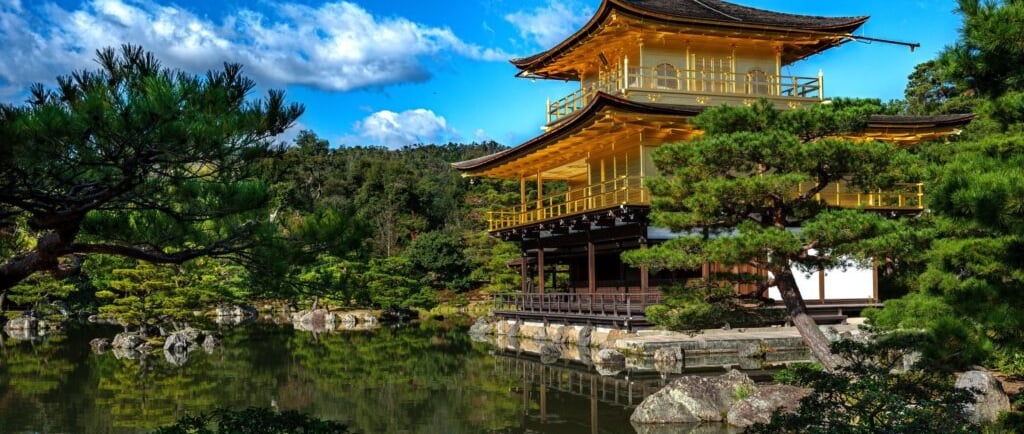
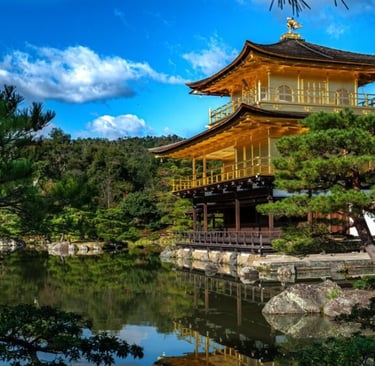
Reflecting majestically in the tranquil waters of a surrounding pond, Kinkaku-ji Temple is a sight to behold. This Zen Buddhist temple is covered in gold leaf, creating a dazzling spectacle that changes with the light of the day. The temple was originally a retirement villa for a shogun and was later converted into a temple. The current structure is a reconstruction from 1955, but it is no less impressive. The temple is surrounded by a beautiful garden, which is a perfect place to relax and take in the stunning scenery.
3. Kiyomizu-dera Temple
Perched on a hillside overlooking the city, Kiyomizu-dera Temple offers breathtaking views of Kyoto. The temple is famous for its large wooden terrace, which was built without the use of a single nail. The terrace is a popular spot for watching the sunset and taking in the panoramic views of the city. The temple complex also includes a waterfall where visitors can drink from three separate streams, each said to grant a different wish: longevity, success at school, and a fortunate love life. However, drinking from all three is considered greedy!
4. Arashiyama Bamboo Grove
A visit to Kyoto is not complete without a stroll through the enchanting Arashiyama Bamboo Grove. The towering stalks of bamboo create a magical, otherworldly atmosphere that is both peaceful and awe-inspiring. The grove is located in the Arashiyama district, a pleasant area on the outskirts of Kyoto that is also home to the Tenryu-ji Temple and the Iwatayama Monkey Park. The best time to visit the bamboo grove is early in the morning before the crowds arrive.
5. Gion District
Step back in time as you wander through the historic streets of Gion, Kyoto's famous geisha district. This beautifully preserved area is lined with traditional wooden machiya houses, many of which are now restaurants, teahouses, and shops. If you're lucky, you may even spot a geiko (Kyoto dialect for geisha) or a maiko (apprentice geisha) on their way to an engagement. The best time to visit Gion is in the evening, when the lanterns are lit and the district comes alive with a magical atmosphere.
A Taste of Kyoto: Culinary Delights
Kyoto is a food lover's paradise, with a culinary scene that ranges from Michelin-starred kaiseki restaurants to bustling street food markets. Here are a few of the culinary experiences you won't want to miss:
· Kaiseki: This is the pinnacle of Japanese haute cuisine, a multi-course dining experience that is as much a work of art as it is a meal. Each dish is meticulously prepared with seasonal ingredients and presented with exquisite attention to detail. A kaiseki dinner is a splurge, but it is an unforgettable cultural experience.
· Nishiki Market: Known as "Kyoto's Kitchen," this bustling market is a feast for the senses. Here you can sample a wide variety of local specialties, from fresh seafood and pickles to wagyu beef skewers and matcha-flavored sweets.
· Pontocho: This narrow alleyway running parallel to the Kamo River is lined with traditional restaurants and bars. It's a great place to find a cozy spot for dinner and soak up the atmospheric ambiance.
· Fushimi Sake District: Kyoto is famous for its sake, and the Fushimi district is home to over 40 breweries. Many of them offer tours and tastings, giving you a chance to learn about the sake-making process and sample some of the local brews.
Where to Stay: Accommodation for Every Traveler
Kyoto offers a wide range of accommodation options to suit every budget and travel style. For a truly authentic experience, consider staying in a ryokan, a traditional Japanese inn. Ryokans typically feature tatami mat floors, futon beds, and communal baths. Many also include a delicious kaiseki dinner and breakfast in the price.
For those who prefer modern comforts, there are plenty of Western-style hotels in central Kyoto, ranging from budget-friendly business hotels to luxurious five-star properties. The Higashiyama district is a great area to stay in, with its charming streets and proximity to many of the city's main attractions.
Day Trips from Kyoto
Kyoto is a great base for exploring the surrounding Kansai region. Here are a few of the most popular day trips:
· Nara: Just a short train ride from Kyoto, Nara was Japan's first permanent capital. It is home to a number of important temples and shrines, as well as hundreds of friendly deer that roam freely through the city's parks.
· Osaka: Japan's third-largest city is a vibrant and exciting metropolis with a world-class food scene. It's a great place to experience a different side of Japan, with its lively nightlife and modern architecture.
· Himeji: Home to Japan's most beautiful feudal castle, Himeji is a must-see for history buffs. The castle is a UNESCO World Heritage site and is one of the few original castles in Japan that has not been destroyed by war or fire.
Final Thoughts: The Enduring Magic of Kyoto
Kyoto is a city that will capture your heart and ignite your imagination. It is a place where the past and present coexist in perfect harmony, where every street corner reveals a new discovery, and where the beauty of nature and art is celebrated in every aspect of life. Whether you are seeking spiritual enlightenment, cultural immersion, or simply a beautiful and romantic getaway, Kyoto is a destination that will leave you with a lifetime of memories. So pack your bags, open your heart, and get ready to fall in love with the timeless magic of Kyoto.
Search Flights
Be Safe and Insured
Stay Better Connected
Beyond the Temples: Immersive Cultural Experiences
While Kyoto's temples and shrines are undoubtedly the main draw, the city offers a wealth of immersive cultural experiences that will deepen your understanding and appreciation of Japanese culture. Here are a few to consider:
· Traditional Tea Ceremony: The Japanese tea ceremony, or sado, is a highly ritualized and beautiful art form. Participating in a tea ceremony is a wonderful way to experience Japanese hospitality and aesthetics. Many temples and teahouses in Kyoto offer tea ceremonies for visitors.
· Ikebana (Flower Arranging): Ikebana is the Japanese art of flower arranging, which emphasizes harmony, balance, and simplicity. Taking an ikebana class is a creative and meditative experience that will give you a new appreciation for the beauty of nature.
· Calligraphy (Shodo): Shodo is the art of Japanese calligraphy, which is considered a form of spiritual training. Learning to write Japanese characters with a brush and ink is a challenging but rewarding experience that will connect you to a rich artistic tradition.
· Cooking Classes: Learn the secrets of Japanese cuisine by taking a cooking class. You can learn to make everything from sushi and tempura to traditional Kyoto-style home cooking. This is a fun and delicious way to immerse yourself in Japanese culture.
A Note on Responsible Travel
As Kyoto's popularity has grown, so has the importance of responsible travel. The city has launched a number of initiatives to encourage visitors to be mindful of their impact on the local community and environment. Here are a few tips for being a responsible traveler in Kyoto:
· Respect Local Customs: Be mindful of local customs and etiquette, especially when visiting temples and shrines. Dress modestly, speak quietly, and follow the rules.
· Don't Chase Geishas: While it's exciting to see a geiko or maiko, it's important to remember that they are not a tourist attraction. Do not chase them, block their path, or take photos without their permission.
· Dispose of Your Trash Properly: Japan is a very clean country, and it's important to do your part to keep it that way. Carry a small bag with you to store your trash until you can find a proper disposal bin.
· Support Local Businesses: Shop at local stores, eat at family-owned restaurants, and stay in locally-owned accommodation. This is a great way to support the local economy and get a more authentic experience.
By being a responsible traveler, you can help to ensure that Kyoto remains a beautiful and welcoming destination for generations to come.
For more travel inspiration and guides, visit PlanPackGo.blog
Disclosure: Some of the links on this site are affiliate links, which means that – at no extra cost to you – PlanPackGo.blog may earn a small commission if you choose to make a purchase. We only share products, services, and companies that we genuinely believe in and, where possible, use ourselves. All opinions, reviews, and recommendations are entirely our own and have not been influenced, reviewed, or approved by any third party.
PlanPackGo.blog is a wholly-owned brand by DMH Media Hub.
Info:
email:
Message us:
david@planpackgo.blog
© 2025. All rights reserved.
planpackgo.blog is a wholly-owned
brand by DMH Media Hub