
In Their Footsteps: A Brontë Sisters Road Trip Through Yorkshire's Wild Moors
Part of the "In Their Footsteps" Series from PlanPackGo.blog
PlanPackGo.blog
1/26/202610 min read
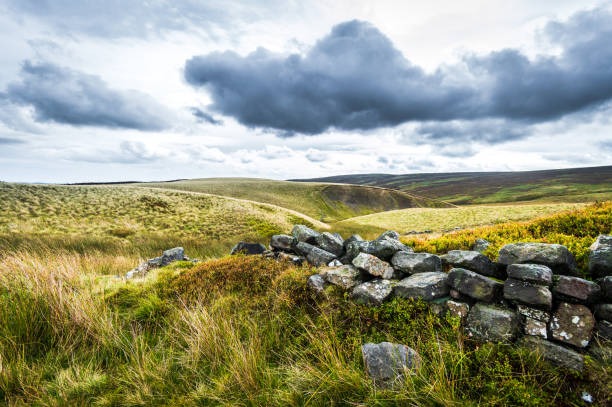
Welcome back to "In Their Footsteps," the series from PlanPackGo.blog where we trace the lives of great historical figures and turn their stories into unforgettable travel adventures. Following our journey through Oscar Wilde's Dublin, we now venture into the heart of West Yorkshire, England, to a landscape of windswept moors and literary genius. We are walking in the footsteps of three of history's most celebrated authors: the Brontë sisters.
Prepare to be captivated by the story of Charlotte, Emily, and Anne Brontë—three brilliant, determined women who, against all odds, wrote novels that scandalized Victorian society and have since become some of the most beloved works in English literature. But their story is not complete without understanding the fourth, tragic figure in their creative quartet: their brother, Branwell. This is more than a history lesson; it's a road trip guide to a place where literature and landscape are one, a journey into the wild, passionate, and ultimately tragic world of the Brontës.
A Life of Passion, Genius, and Tragedy
In the small, hilltop village of Haworth, overlooking a valley and surrounded by a vast expanse of "bleak and romantic" moorland, the Brontë story unfolded. Here, in the stone-built Parsonage, the Reverend Patrick Brontë and his wife Maria raised their six children. After the early deaths of their mother and two eldest sisters, Maria and Elizabeth, the remaining siblings—Charlotte, Branwell, Emily, and Anne—created a rich and complex world of imagination to fill their isolated lives.
They wrote and told stories, filling tiny, hand-stitched books with tales of imaginary kingdoms called 'Angria' and 'Gondal'. This creative fire, kindled in childhood, never went out. Despite the constraints of 19th-century society, where women from their social class were expected to become governesses or get married, the sisters were determined to be heard. As Charlotte famously wrote, "I'm just going to write because I cannot help it."
Check Flights
Get Your Guide to Bronte Country
Check Hotels with Trip Advisor
To have their work judged on its merit, free from the prejudice against female authors, they adopted the ambiguous, masculine-sounding pseudonyms of Currer, Ellis, and Acton Bell. In 1847, the literary world was set ablaze. Charlotte's Jane Eyre, a revolutionary story of a governess who demanded to be treated as an equal, was an instant sensation. Emily's dark and passionate masterpiece, Wuthering Heights, with its tormented anti-hero Heathcliff, defied every convention of the Victorian novel, shocking critics with its raw emotion and cruelty. Anne's powerful and quietly radical second novel, The Tenant of Wildfell Hall, was a stark and groundbreaking portrayal of a woman's struggle to escape an abusive, alcoholic marriage—a subject considered utterly taboo.
Yet, their success was tragically short-lived. The Brontë family seemed cursed by ill health, and their story is as much one of loss as it is of literary triumph. Their lives were cut brutally short, but their voices, full of passion and resilience, echo on through their incredible work and across the moors they called home.
The Governess Experience: A Crucible of Creativity
Before they were celebrated authors, the Brontë sisters shared a fate common to many educated but impoverished women of their time: they became governesses. This experience, far from being a simple job, was a crucible that forged much of the frustration, social observation, and fierce desire for independence that burns so brightly in their novels. Charlotte, Anne, and for a brief, unhappy period, Emily, left the sanctuary of the Parsonage to work in the homes of wealthy strangers. They were often treated as neither family nor servant, existing in a lonely social limbo. Charlotte wrote despairingly of the "mental degradation" and the soul-crushing loneliness. Anne, the youngest, endured years in positions that exposed her to the brutalities of spoiled children and the moral corruption of the upper classes, experiences she would later channel directly into Agnes Grey and The Tenant of Wildfell Hall. The indignities they suffered fueled their ambition and gave their writing an authenticity and raw anger that would have been impossible to feign.
The Troubled Son: The Tragedy of Branwell Brontë
No account of the Brontës is complete without the tragic story of the only son, Patrick Branwell Brontë. Pinned with the family's hopes and expectations, Branwell was a figure of immense promise and devastating failure. Initially considered the most talented of the siblings, he was a gifted painter, poet, and writer, educated at home by his father in the classics, and expected to achieve great things.
He took a leading role in the childhood creation of the imaginary worlds, and his artistic talent is evident in the famous portrait he painted of his three sisters—a painting in which he originally included himself, only to later paint over his own image in a moment of self-doubt that would come to define his life. While his sisters were sent away to work as governesses, Branwell stayed home, attempting to forge a career as an artist and writer. He
wrote bold letters to Blackwood's Magazine offering his services, which went unanswered. He attempted to set up a portrait studio in Bradford, but it failed, leaving him in debt.
Check Flights
Get Your Guide to Bronte Country
Check Hotels with Trip Advisor
A series of jobs followed—as a tutor and a railway clerk—but each ended in dismissal, often due to incompetence and a growing reliance on alcohol. His final position as a tutor at Thorp Green ended in disaster. He became infatuated with his employer's wife, Lydia Robinson, a woman fifteen years his senior. He boasted to friends of their affair, but was sternly dismissed in 1845. This rejection plunged him into a deep depression and accelerated his descent into addiction. He returned to the Parsonage a broken man, his dreams in tatters, and spent his final three years in a haze of alcohol and laudanum (a form of opium), a constant source of distress and heartbreak for his family.
Branwell died in September 1848 at the age of 31, from tuberculosis aggravated by his addictions. He was unaware that, in the next room, his sisters were correcting the proofs for the second editions of their now-famous novels. He never knew the scale of their success. His story is a heartbreaking counterpoint to the genius of his sisters—a tale of a troubled but interesting soul, a fallen star whose ghost still haunts the streets of Haworth.
The Black Bull: Branwell's Stage and Sanctuary
Just a stone's throw from the Parsonage, at the top of Haworth's cobbled Main Street, stands The Black Bull pub. For Branwell, this was more than just a drinking den; it was his stage, his sanctuary, and ultimately, the public arena of his downfall. Here, amidst the fug of pipe smoke and the chatter of locals, the bright, witty, and classically educated son of the parson held court.
In his younger days, he was the life of the party, known for his sharp intellect and entertaining stories. It's said that the landlord would advise travelers seeking amusement to simply sit and listen to Branwell. He would recite poetry, discuss politics, and engage in lively debate, his eyes sparkling with intelligence. This was the Branwell who still believed in his own potential, the artist and poet on the cusp of greatness. He was a leading member of the "Haworth Oddfellows Lodge" and a Freemason, both of which met at the pub. These roles gave him a sense of importance and belonging, a status independent of his family. For a time, the Black Bull was not just a place to drink; it was his stage, his audience, and the center of his social universe.
But as his disappointments mounted, the Black Bull became a place of escape. He sought solace in gin and laudanum, and his performances became more erratic. The charming wit gave way to drunken outbursts, and the locals grew accustomed to his volatile behavior. The pub became the setting for the most famous anecdote of his decline: his well-worn escape route. When his family, worried sick, sent a friend or servant to fetch him, Branwell would slip out the back door, dash across the graveyard that separated the pub from the Parsonage, and be safely back in his room before he could be apprehended. This desperate, repeated act paints a poignant picture of a man trapped between his addiction and his family's love.
Today, you can sit in the very same pub, a building that has stood since the 16th century. While Branwell's actual chair is now preserved in the Parsonage Museum, the pub's atmosphere is thick with his memory. To have a pint at the Black Bull is to connect with the most tragic and human part of the Brontë story, to feel the presence of the brilliant, broken man who once held court within its walls.
The Landscape as a Muse
It is impossible to understand the Brontës' work without understanding the landscape that shaped it. The Yorkshire moors were not just their backyard; they were their inspiration, their playground, and a living, breathing character in their novels. This "windswept land of heather and wild moors" is a place of raw, untamed beauty, where the weather can turn in an instant and the sky feels immense.
This was Heathcliff and Catherine's wild playground in Wuthering Heights, a landscape that mirrored the intense, passionate, and often brutal emotions of their stories. It was the desolate, isolating terrain that Jane Eyre had to cross in her moment of greatest desperation. Walking these moors, you feel the same sense of freedom and desolation that fueled the sisters' imaginations. It's a place where you can feel the powerful connection between literature and the land.
Your Brontë Country Road Trip Itinerary
This road trip is designed to immerse you in the world of the Brontës. Prepare for cobbled streets, cozy pubs, and breathtaking walks across the very moors that inspired literary greatness.
Day 1: Arrival in Haworth & The Parsonage
Your journey begins in Haworth, a village that feels wonderfully preserved in time. The main artery is the steep, cobbled Main Street, lined with independent shops, cafés, and pubs. Your first stop is the most important pilgrimage site for any Brontë fan: The Brontë Parsonage Museum. This is the house where the sisters lived, wrote, and imagined their worlds. Walking through these rooms is an incredibly moving experience. You'll see the dining room table where they wrote, their tiny books, personal belongings, and the very sofa where Emily died. It's a powerful and intimate glimpse into their lives. The museum is located on Church Street, Haworth, BD22 8DR, and is open Wednesday to Monday, 10am to 5pm (last entry 4pm), closed Tuesdays. Standard admission is £13.00 ($16.50), with concessions for those 65+ at £11.00 ($14). Your ticket grants unlimited entry for 12 months.
After your visit, wander up to St Michael and All Angels' Church, where Patrick Brontë was reverend and where most of the family (excluding Anne, who is buried in Scarborough) is interred in the family vault.
Day 2: Walking the Moors to Wuthering Heights
Today, you walk in the footsteps of Catherine and Heathcliff. A trip to Haworth is incomplete without a walk on the moors. The most iconic route is the 3.5-mile trail to Top Withens, a ruined farmhouse believed to be the inspiration for the remote, windswept setting of Wuthering Heights. The walk is moderately challenging, but the views are spectacular. As you stand amidst the heather, with the wind whipping around you, you'll understand the wildness that Emily captured so perfectly in her novel. On your way, you can also visit the Brontë Waterfall and Brontë Bridge, a favorite spot for the sisters and a beautiful, secluded area perfect for a picnic.
Day 3: Steam Trains and Local Charm
Experience the landscape from a different perspective with a journey on the Keighley & Worth Valley Railway. This beautifully preserved heritage railway runs 5 miles through the heart of Brontë Country. A steam train ride from Haworth offers stunning views of the rolling hills and valleys, evoking the era in which the sisters lived. It's a charming and relaxing way to soak in the atmosphere of the region.
Where to Stay in Brontë Country
Haworth offers a wonderful selection of cozy and historic accommodations. Booking in advance is highly recommended, especially during peak season. The Old Registry Haworth is a beautiful guest house situated right on the famous cobbled Main Street, with individually themed rooms, some with four-poster beds, offering quality and charm in a historic building, with prices from £99 ($125) per night.
For a more private experience, Weavers of Haworth offers lovingly restored, Grade II listed 19th-century weaving cottages, a stylish and snug home-from-home in the heart of the village, with cottage prices from £431 ($545) per night.
Ashmount Country House is a traditional country house hotel offering spacious rooms and a touch of Victorian grandeur, a perfect retreat after a day on the moors, with prices from £132 ($167) per night.
Where to Eat and Drink
After a day of exploring, Haworth's pubs and restaurants offer a warm Yorkshire welcome.
**The Black Bull** is essential—no pilgrimage in Branwell's footsteps is complete without a visit here. Directly opposite the church, this was Branwell's infamous local. He even had his own chair, which is now kept at the Parsonage. It was from here that he would often have to be fetched, and legend has it he would slip out the back to avoid his family. It's a place steeped in atmosphere, perfect for a pint and a moment of reflection on the family's troubled genius.
Where to Eat & Drink
**The Hawthorn** is a Georgian gem known for its incredible food, especially its award-winning Sunday roast, a must-visit for a high-quality meal in a historic setting.
**The Fleece Inn** is famous for its fine local ales, hearty food, and a relaxed, informal atmosphere, the perfect place to warm up by the fire after a windswept walk.
**King's Arms Pub and Restaurant** is a classic pub on Main Street serving meals all day, where you can enjoy a pint in the traditional bar or a more formal meal in Duke's Bistro.
**Cobbles and Clay** is a delightful café on Main Street, perfect for a light lunch, coffee, and cake, and they also offer pottery painting for a creative afternoon.
The Enduring Legacy of the Brontës
The Brontë sisters' contribution to literature cannot be overstated. They wrote with a passion and psychological depth that was revolutionary for their time. Jane Eyre is considered a masterpiece of the Bildungsroman genre, a novel of formation and development, and its fierce, independent heroine continues to inspire readers. Wuthering Heights, with its complex narrative structure and exploration of obsessive love and cruelty, is a unique and enduring work of Gothic fiction. Anne's novels, though less famous, are now recognized for their bold and realistic portrayal of the oppressive social and legal constraints faced by women in the 19th century.
Their influence can be seen in the works of countless authors who followed, from Virginia Woolf to Sylvia Plath. They proved that women could write with the same power and intellectual force as their male counterparts, and they paved the way for future generations of female writers. Their lives, though short, were a testament to the power of creativity and the human spirit to triumph over adversity. A visit to Haworth is not just a literary pilgrimage; it is a journey into the heart of a story that continues to captivate and inspire the world.
This journey into Brontë Country is a chance to connect with the story of three extraordinary women and their troubled, talented brother, and the land that fueled their collective imagination. It's a trip that will stay with you long after you've left the wild and beautiful moors of Yorkshire.
Disclosure: Some of the links on this site are affiliate links, which means that – at no extra cost to you – PlanPackGo.blog may earn a small commission if you choose to make a purchase. We only share products, services, and companies that we genuinely believe in and, where possible, use ourselves. All opinions, reviews, and recommendations are entirely our own and have not been influenced, reviewed, or approved by any third party.
PlanPackGo.blog is a wholly-owned brand of DMH Media Hub.
Keywords: Brontë Sisters, Branwell Brontë, Haworth, Yorkshire, Wuthering Heights, Jane Eyre, literary travel, road trip, England, Brontë Country, Top Withens, Yorkshire Moors, Black Bull pub, travel blog, PlanPackGo.blog
Hashtags: #BronteSisters #InTheirFootsteps #BranwellBronte #Haworth #Yorkshire #WutheringHeights #JaneEyre #LiteraryTravel #BookLovers #England #BronteCountry #PlanPackGo
Info:
email:
Message us:
david@planpackgo.blog
© 2025. All rights reserved.
planpackgo.blog is a wholly-owned
brand by DMH Media Hub